
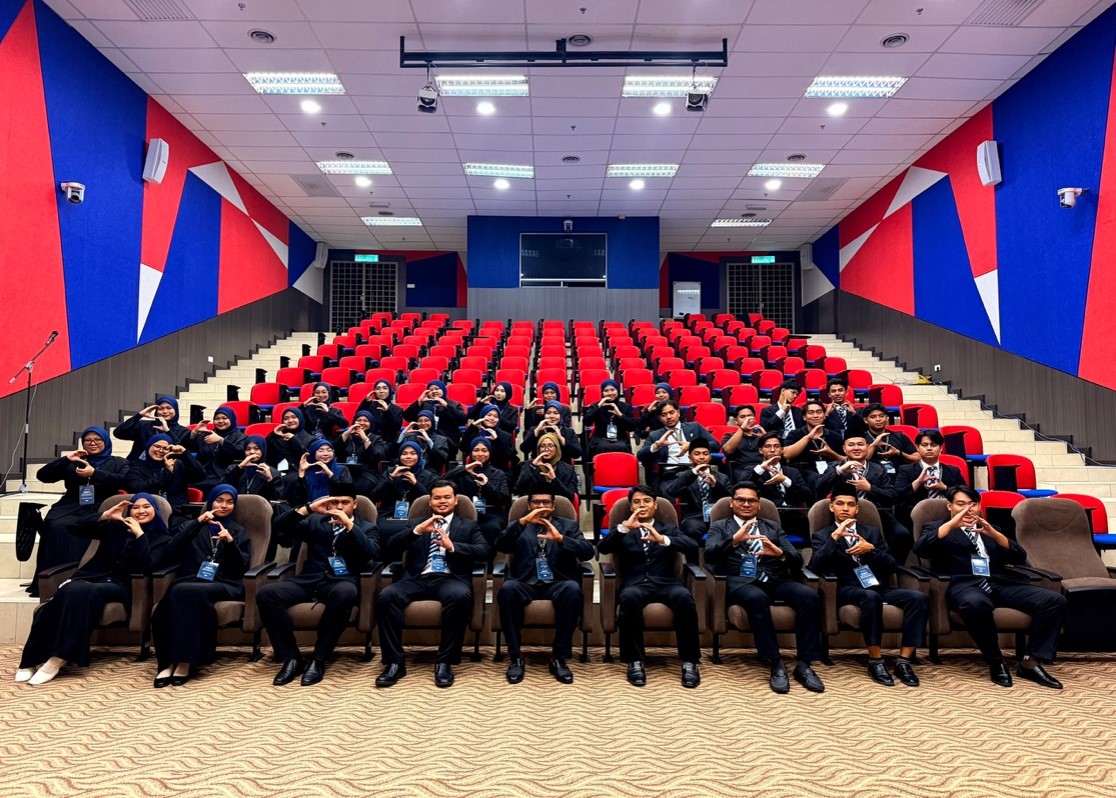
The 15th International Seminar on Aqidah, Religion and Social Sciences (SIGMA 15) was held on 7 October 2026 at Universiti Sains Islam Malaysia (USIM), under the theme “Religion as a Catalyst for Global Peace”. The seminar was organised by the Aqidah and Religion Studies Programme, the Aqidah and Global Outreach Centre (AGENT), and the Aqidah and Religion Studies Student Association (PERWADAH), under the Faculty of Leadership and Management (FKP), USIM.

Since its establishment in 2010, SIGMA has served as an academic platform that brings together scholars, researchers, students and practitioners in related fields to exchange knowledge and discuss current issues concerning religion and society. The seminar aimed to highlight the role of religion in promoting global peace and the importance of managing religious differences in a multiracial and multi-religious society. The significance of the seminar lies in the opportunity it provides to discuss how interreligious dialogue, education and mutual understanding can contribute to peace, particularly in addressing the challenges faced by society today.
The keynote address by Associate Professor Dr. Odiljon Ernazarov from the International Islamic Academy of Uzbekistan, entitled “Maintaining Peace in a Multi-Religious Society: Lessons from Uzbekistan”, emphasised that peace is not merely the absence of war or conflict, but also encompasses human well-being, social stability and harmonious relationships within society. Current challenges such as religious conflicts, extremism, inequality and the spread of misinformation require serious attention. Achieving peace requires continuous commitment through education, dialogue and mutual understanding. One of the key ideas highlighted in the keynote address was the transition from passive tolerance to active tolerance, which encourages society to become acquainted with and understand individuals from different religious backgrounds.
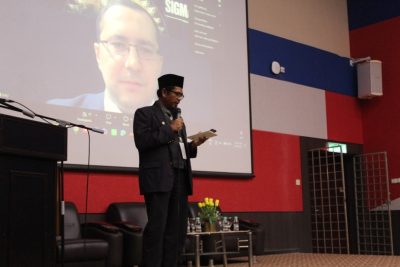
In addition, young people need to develop critical thinking skills, acquire scientific knowledge and strengthen their understanding of their own religious teachings, while also learning about other religions. These efforts are essential to reducing prejudice, encouraging constructive dialogue and building a more peaceful, inclusive and harmonious society.
The keynote address by Dr. Mohd Farid Mohd Shahran from the Institute of Islamic Understanding Malaysia (IKIM), entitled “Interfaith and Intrafaith Dialogue: Key to Global Peace”, expanded the discussion to include two interconnected areas: dialogue between followers of different religions and dialogue among followers of the same religion. Meaningful dialogue is not merely an exchange of views. It requires a willingness to listen, understand the perspectives of others and respond with proper manners and a sense of responsibility. The emphasis on the principle of lita‘arafu in Surah al-Hujurat, verse 13, provides a clear foundation for efforts to understand and become acquainted with one another. Respecting people with different beliefs does not mean that individuals must abandon their own convictions or regard all religions as the same.
Instead, respectful dialogue allows differences to be understood without compromising the religious beliefs and positions of each individual. Dialogue among followers of the same religion is also important in addressing internal differences before they develop into division and hostility. The importance of gentleness, wisdom and proper manners must be taken seriously when discussing sensitive religious issues, particularly among Muslims themselves. Participants were also reminded to verify the authenticity of information before sharing it on social media to prevent fake news, misunderstandings and conflicts. Unity does not mean eliminating all differences. Rather, it requires efforts to preserve brotherhood, respect one another and maintain harmonious relationships despite differences in opinion.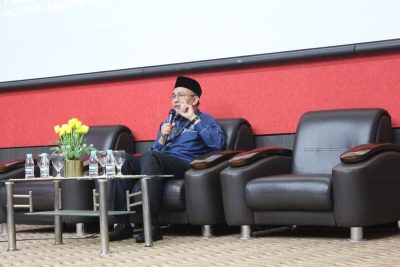
The insights gained from SIGMA 15 are highly relevant to Malaysia as a country characterised by religious and cultural diversity. Harmony cannot be sustained through slogans alone or by assuming that people will naturally understand one another without deliberate effort. Educational institutions, community organisations and religious leaders need to provide structured opportunities for interaction, improve religious literacy and develop dialogue skills. At the same time, public communication should avoid generalisations that label entire communities based on the actions of a few individuals. The value of a seminar such as this lies not only in the sharing of knowledge over a single day, but also in the opportunity to apply its findings and insights to teaching, research, community programmes and policy discussions. Follow-up efforts should also assess whether dialogue initiatives genuinely broaden understanding, build trust and help communities manage tensions peacefully.
SIGMA 15 has demonstrated that religion can serve as a catalyst for global peace when supported by knowledge, mutual understanding, meaningful dialogue and the thoughtful management of differences. Living together peacefully requires more than passive tolerance. Instead, active efforts to understand others, communicate respectfully and address current challenges through wisdom and critical thinking are essential. Furthermore, strengthening religious understanding among the younger generation and encouraging responsible communication are particularly important in the digital era.
The seminar provided a meaningful academic platform for knowledge exchange and intellectual discourse, while highlighting the importance of both interfaith and intra-faith dialogue in building a more harmonious, inclusive and peaceful world. The insights gained from the keynote addresses and paper presentations should be brought into educational, research and community discussions to ensure that the contributions of the seminar continue beyond the conclusion of the programme.
|
Nur Afiqah Amanina Binti Mohd Kasim & Qidwah Aqila Binti Qeshiri |
|---|